FAQs
The Project
The Tummaville Solar Farm is a proposed renewable energy project near Tummaville on the Darling Downs in south-west Queensland. It consists of a approx. 600 MWp solar farm and 500MWac battery energy storage system (BESS). The project will be connected to the existing Powerlink Tummaville Switiching Station. The project will play a key role in the state's energy transition, securing reliable and affordable power for Queenslanders, creating local jobs, and driving long-term investment in the region.
The Project is proposed on land along Owens Scrub Road in Tummaville, within the Toowoomba Regional Council local government area, approximately 76 kilometres south-west of Toowoomba
The Project is currently in the early planning phase. Technical, environmental and social studies are underway to inform project design and approvals. If approved, construction is expected to begin around 2028, with operations anticipated from 2031.
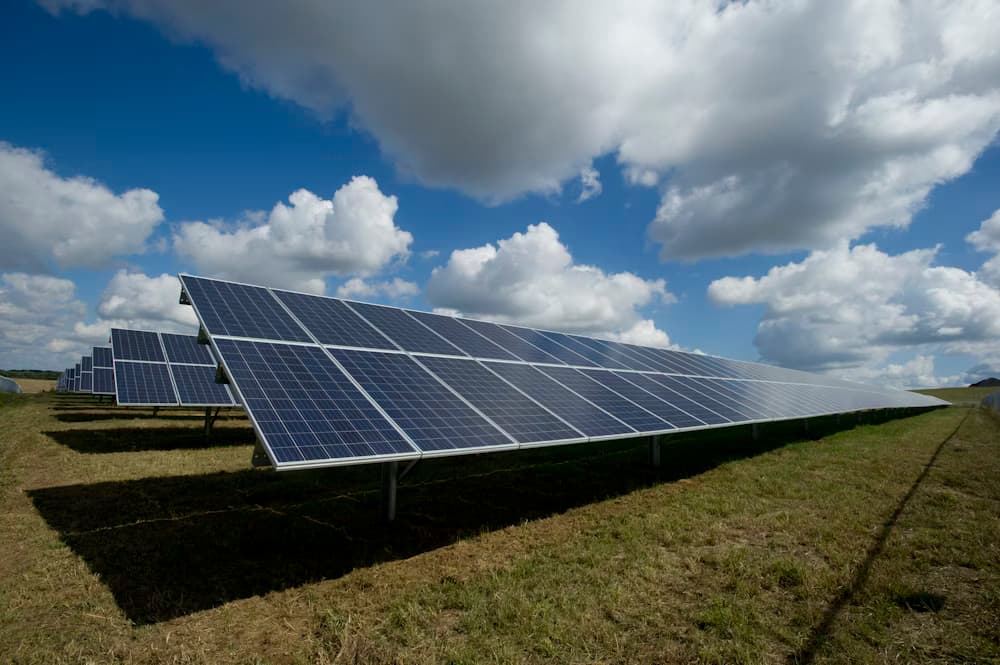
The Project would include around 260,000 solar photovoltaic panels mounted on tracking systems, a 500 MWac lithium iron phosphate BESS, inverters, access roads, internal transmission and cabling, and supporting infrastructure such as an operations and maintenance facility and carpark. The Project would connect into the existing Tummaville Switching Station.
Solar Farm and Battery Technology
Solar panels convert sunlight into electricity using photovoltaic (PV) cells. The electricity generated is then converted and supplied into the electricity grid for homes, businesses and industry.
Modern solar panels used in Australia are primarily made from glass, aluminium polymers and monocrystalline silicon. Less than 1% of the materials used include copper, silver, tin and lead. The chemical layer in a panel is extremely thin - about 3% the thickness of a human hair - and is sealed between two layers of heat-strengthened glass with an industrial laminate. This structure prevents leaching under normal operating conditions.
They are designed and manufactured to meet strict safety and environmental standards. There is currently no scientific evidence to suggest solar panels pose a contamination risk to livestock, crops or food production during normal operation.
For more information, please visit Clean Energy Council: https://cleanenergycouncil.org.au/for-consumers/fact-sheets/environment-and-planning-get-the-facts/solar-panels-toxicity-myth
A glint and glare assessment is being undertaken as part of the approvals process. Modern solar panels are designed to absorb sunlight rather than reflect it and are generally less reflective than many common surfaces such as water or glass.
A Battery Energy Storage System (BESS) stores electricity generated during periods of high renewable energy production and supplies electricity back into the grid when demand is higher or solar generation is lower. Battery storage helps support a more reliable and stable electricity network.
The Project is expected to use lithium iron phosphate (LFP) battery technology. This technology is commonly used in large-scale battery projects due to its strong safety performance, reliability and operational efficiency.
Fire safety is an important part of the Project design and assessment process. The battery system would include built-in monitoring, cooling, fire detection and fire suppression systems, along with emergency response procedures developed in consultation with relevant authorities and emergency services.
Project Approvals and Assessments
Solar farm developments in Queensland with a generating capacity of 1 MW or more are impact assessable and assessed by the State Assessment and Referral Agency (SARA) under State Code 26: Solar Farm Development, and State Code 27: BESS Development.
Prior to lodging a development application, a Social Impact Assessment (SIA) must be completed, and a binding Community Benefit Agreement (CBA) must be agreed between the Project and Toowoomba Regional Council.
A range of technical, environmental and social studies are being undertaken to understand potential impacts and inform project design and mitigation measures. Key technical studies being undertaken for the project may include:
- Environmental Impact Assessment
- Agricultural Land Assessment
- Noise Impact Assessment
- Natural Hazard Risk Assessment
- Flood and Stormwater Assessment
- Bushfire Risk Assessment
- Landscape and Visual Impact Assessment
- Social Impact Assessment (SIA)
- Traffic Impact Assessment, including Oversize Overmass (OSOM)
- Glint and Glare Assessment
A Social Impact Assessment (SIA) is being undertaken by specialist consultants to help understand the local community, identify potential impacts and explore opportunities to enhance benefits. Findings from the SIA will help inform project planning, mitigation measures and the Project's benefit sharing approach.
A Community Benefit Agreement (CBA) is a formal agreement between the Project and Toowoomba Regional Council that outlines how the Project may contribute positively to the local community over the life of the Project. The CBA will be informed by community feedback and findings from the Social Impact Assessment.
Construction and Workforce
At peak construction, around 450 workers are expected on site each day, with around 25 workers during quieter construction periods. Once operational, the Project is expected to support an ongoing workforce of approximately 5-10 personnel.
The Project is currently assessing workforce accommodation options. All feasible accommodation options will be considered, with potential social impacts assessed as part of the Social Impact Assessment (SIA) process before a preferred approach is confirmed.
Construction would involve a temporary increased vehicle movement, including deliveries of equipment and materials. Traffic and transport studies are being undertaken to understand potential impacts and help identify appropriate traffic management measures where required.
Environment and Land Use
Avoiding and reducing impacts on the environment and the community is a key priority for the Project. The Project is being carefully designed with a focus on keeping its footprint within existing cleared areas wherever possible, and ongoing studies will help inform mitigation and management measures.
The Project is being planned with consideration of the surrounding agricultural landscape and land uses. Agricultural land assessments are being undertaken as part of the approvals process to help understand and manage potential impacts.
Community and Local Benefits
If approved, the Project is expected to support Queensland's clean energy future and contribute to a more reliable electricity network. The Project also has the potential to contribute to long-term regional investment and broader community benefit outcomes over the life of the Project, while supporting local businesses, services and economic activity throughout construction and operations.
The Project is committed to create opportunities for local contractors, suppliers and service providers during construction and operations. We will seek to prioritise local suppliers and procurement opportunities where practical.
The Project is committed to working collaboratively with Toowoomba Regional Council and the community to identify meaningful long-term benefits and legacy outcomes for the region through the development of a Community Benefit Agreement (CBA).
Community Engagement
Meaningful, respectful and transparent engagement is central to how the Project will be developed. Engagement activities may include face-to-face meetings, community information sessions, newsletters, digital updates and direct conversations with neighbours and stakeholders.
Community and stakeholder feedback will help inform project design, mitigation measures, delivery and benefit sharing initiatives. We are committed to listening carefully, responding openly and providing clear and accessible information throughout the Project lifecycle.
Community members and stakeholders are encouraged to contact the Project team at info@tummavillesolarfarm.com.au with questions, feedback or to request further information.
Project updates and engagement opportunities will continue to be shared through the Project website, and we encourage you to subscribe to the Project newsletter to stay informed about project planning, engagement activities and key milestones as the Project progresses.